The workshop air crackles with potential, but your current machinery feels stuck. You dream of intricate designs and flawless finishes, yet your existing equipment struggles with complexity and speed. You’ve heard whispers of advanced technology, but the world of CNC milling machines feels vast and intimidating. How do you choose the right cnc milling machine when the options seem endless, and the cnc milling machine price varies so wildly? If you’re ready to unlock precision and efficiency, this guide is your starting point.
The Challenge: Navigating the CNC Landscape
You’re looking to buy a CNC milling machine, and it feels like stepping into a maze. On one side, you have basic, affordable machines perfect for hobbyists or simple tasks. On the other, you have industrial powerhouses capable of feats you might not even need. The pain point is clear: how do you find that sweet spot? How do you balance capability with cost and ensure you’re not overspending or underspending for your actual needs? You might be tempted by the cheapest option, only to find it lacks the power or precision for your materials. Or perhaps you’re considering a high-end machine but are unsure if you’ll ever utilize its full potential.
The solution lies in understanding the core differences and matching them to your specific application. A cnc milling machine isn’t a one-size-fits-all tool. Its technology, price, and applications vary dramatically. The key is to demystify these options. We need to look beyond the glossy brochures and understand what truly makes a machine suitable for your workshop. This guide aims to cut through the noise, providing clarity on the technology, the price factors, and the diverse applications where CNC milling excels.
Understanding CNC Milling Technology: Axes, Controls, and Spindles
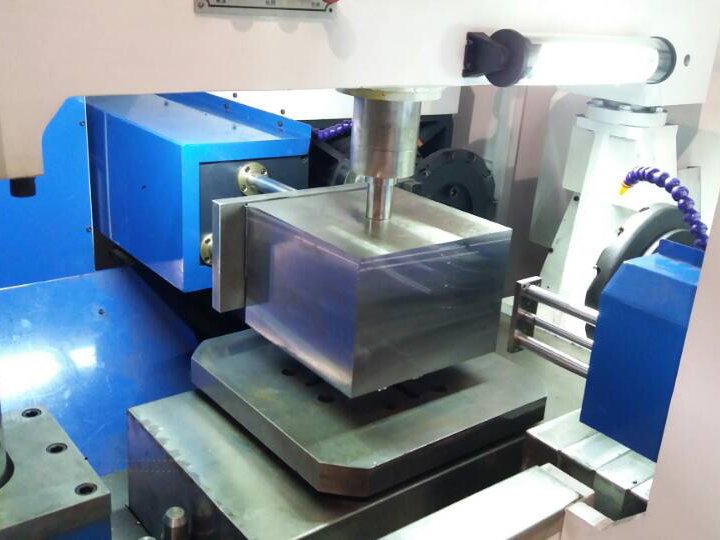
Let’s break down the tech. The most fundamental aspect is the number of axes. A 3-axis cnc milling machine moves on the X, Y, and Z planes – great for basic cuts and pockets. A 4-axis adds rotation, useful for cylindrical parts with features on the side. A 5-axis machine offers even more rotational freedom, allowing for incredibly complex shapes and single-setup machining. The benefit of more axes is the ability to create intricate geometries that would otherwise require multiple setups and potentially compromise accuracy.
Then there’s the spindle – the part that holds the cutting tool. Its speed (RPM) and power are crucial. High-speed spindles are great for softer materials like aluminum, enabling faster cutting and better surface finishes. More powerful spindles are needed for tougher materials like steel or titanium. The control system is also key. Modern CNC controls are more intuitive, offer advanced programming features, and can integrate with CAM software. Choosing the right combination ensures your machine can handle your materials and part complexity efficiently.
Navigating CNC Milling Machine Prices: What Drives the Cost?
Several factors come into play when determining the cnc milling machine price. Firstly, size and rigidity. Larger machines with heavier construction (like cast iron frames) and robust linear guides or box ways offer superior stability and accuracy, especially for demanding materials. Secondly, axis capability. As mentioned, 5-axis machines are significantly more expensive than 3-axis due to the added complexity and engineering.
Spindle power and speed also drive the cnc milling machine price. High-speed, high-power spindles with advanced features like automatic tool changers (ATCs) add to the cost. Brand reputation is another factor; established manufacturers known for quality and support often command higher prices. Finally, new vs. used makes a big difference. While a new machine offers the latest tech and warranty, a well-maintained used cnc milling machine can provide substantial savings. Understanding these factors helps you budget effectively when you buy a CNC milling machine.
Key Applications: Where CNC Milling Shines
CNC milling machines are incredibly versatile. Their ability to cut, drill, bore, and create complex shapes makes them indispensable across numerous industries. In aerospace, they’re used for creating lightweight, high-strength components from aluminum and titanium alloys. The precision required for engine parts and structural elements is a perfect fit for CNC milling. In the automotive industry, they produce engine blocks, transmission components, and molds for plastic parts.
The medical field relies heavily on CNC milling for creating intricate, biocompatible implants, surgical instruments, and prosthetic devices where extreme accuracy is paramount. For mold and die making, CNC mills are essential for crafting the precise cavities and features needed for mass production. Even in consumer electronics, CNC machines create the precise housings and internal components for devices. The benefit of CNC milling is its adaptability; it can be tailored to the specific demands of virtually any industry requiring precise part fabrication.
Choosing the Right Machine for Your Needs
So, how do you choose the right cnc milling machine when you’re ready to buy? It starts with a clear understanding of your needs. Define your primary application: What materials will you machine? What level of complexity do your parts have? What tolerances do you need to achieve? Determine your budget: Consider not just the initial cnc milling machine price, but also installation, training, tooling, and ongoing maintenance costs.
Evaluate the machine’s specifications: Look at the axes, spindle power and speed, work envelope size, and control system. Does it match your material and part requirements? Consider new vs. used: Weigh the cost savings of a used machine against the benefits of a new one. Research manufacturers and support: Opt for reputable brands known for quality and reliable after-sales service. The result of making an informed choice is a machine that enhances your productivity, improves your part quality, and provides a strong return on investment for years to come.
Your Path to Precision Machining Starts Here
You’ve journeyed through the essential aspects of CNC milling machines, from the core technology and price factors to their diverse applications. You understand that choosing the right cnc milling machine is a strategic decision, not just a purchase. You’ve learned how axes, spindles, controls, and the new vs. used market influence the cnc milling machine price. The path to acquiring the perfect machine is now clearer, moving from uncertainty to informed action.
Before: feeling overwhelmed by options and unsure where to start. Then: understanding the key technological differences and price drivers → able to make a more informed decision. Now: equipped with the knowledge to confidently evaluate and buy a CNC milling machine that meets your specific needs and budget. Ready to elevate your manufacturing capabilities? Take the first step today by clearly defining your project requirements and researching machines that align with those goals.